
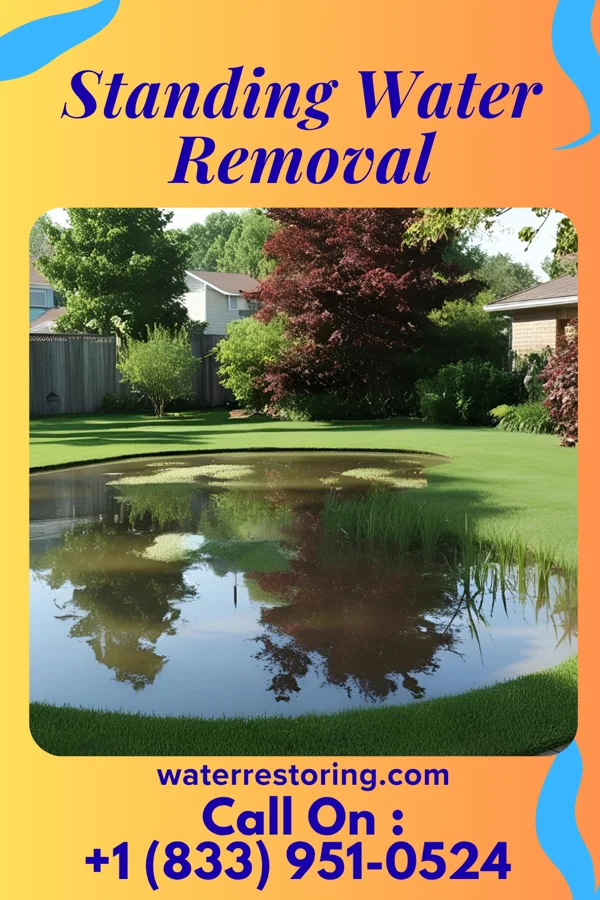
When Tenino Properties Need Standing Water Removal
Water damage in Tenino usually starts with In Tenino, Washington, primary water damage often stems from heavy rainfall and flooding due to its location in Thurston County, which is prone to seasonal storms and creek overflows. The area's rural setting and proximity to rivers like the Nisqually increase the risk of water intrusion during heavy rains or snowmelt.. A close second is Secondary causes include plumbing leaks from aging infrastructure, groundwater seepage around basements, and equipment failures in agricultural or commercial settings. These issues are common in the rural areas near Bucoda, Grand Mound, and Rainier, where older buildings may lack modern water management systems.. Professional restoration follows the IICRC protocol on every job. Assess. Extract. Dry. Sanitize. Document.
Tenino's climate, characterized by frequent rainfall and high humidity, creates a persistent risk of water damage. The region's proximity to the Puget Sound and the Olympic Mountains contributes to heavy precipitation, which can lead to flooding and prolonged moisture issues.
Water damage in Tenino follows a few local patterns. In Tenino, Washington, primary water damage often stems from heavy rainfall and flooding due to its location in Thurston County, which is prone to seasonal storms and creek overflows. The area's rural setting and proximity to rivers like the Nisqually increase the risk of water intrusion during heavy rains or snowmelt. accounts for the bulk of our calls. Tenino's climate, characterized by frequent rainfall and high humidity, creates a persistent risk of water damage. The region's proximity to the Puget Sound and the Olympic Mountains contributes to heavy precipitation, which can lead to flooding and prolonged moisture issues. Mold growth in Tenino can quickly become a serious health hazard due to the high humidity and frequent rainfall. Prompt water damage restoration is critical to prevent mold from spreading in homes and businesses, especially in the rural areas with older or poorly ventilated structures.